
TL;DR: Want to know how to increase glutathione naturally? It comes down to everyday habits like eating sulfur-rich foods, getting enough protein, and sleeping well. This antioxidant is something your body already makes. Supporting it takes consistency rather than an instant solution. In this post, we'll explain the lifestyle choices that matter. We'll also cover when professional guidance fits into your personalized wellness plan.
You've probably seen this antioxidant mentioned in wellness circles. You've likely spotted supplements, patches, and powders making big promises. It's easy to feel overwhelmed by all the noise.
You want to support your body's natural defences, but you're unsure what to focus on. Wellness trends can make a simple topic feel more confusing than it needs to be. We're here to make the topic easier to understand.
Glutathione is an antioxidant your body makes naturally, and it plays an important role in cellular health. Certain nutrition and lifestyle habits may support your body's natural glutathione production. Support usually comes from consistent, practical habits. We'll show you how to increase glutathione naturally through realistic habits to maintain.
Before figuring out how to increase glutathione naturally, it helps to understand what it is.
Glutathione is a tiny molecule made from three amino acids. Every cell in your body contains it. It is found throughout the body, especially in the liver.
Its primary jobs include:
Your body produces this antioxidant continuously. You aren't trying to add something foreign to your system. You are supporting a biological process that is already happening.
Your levels aren't always stable. They fluctuate based on what your body's dealing with.
When you face oxidative stress, your body uses up its antioxidant stores faster. If demand is high, your body may use glutathione more quickly than it can replace it.
Antioxidants help the body manage oxidative stress, which is why supporting natural antioxidant systems matters for overall wellness.Over time, oxidative stress may affect how well the body recovers and maintains overall wellness.
Common depleters include:
Supporting healthy glutathione levels can include adding helpful habits and reducing habits that increase oxidative stress.
Your daily food choices can play an important role in how your body produces antioxidants. Let's look at helpful ways to support your nutrition.
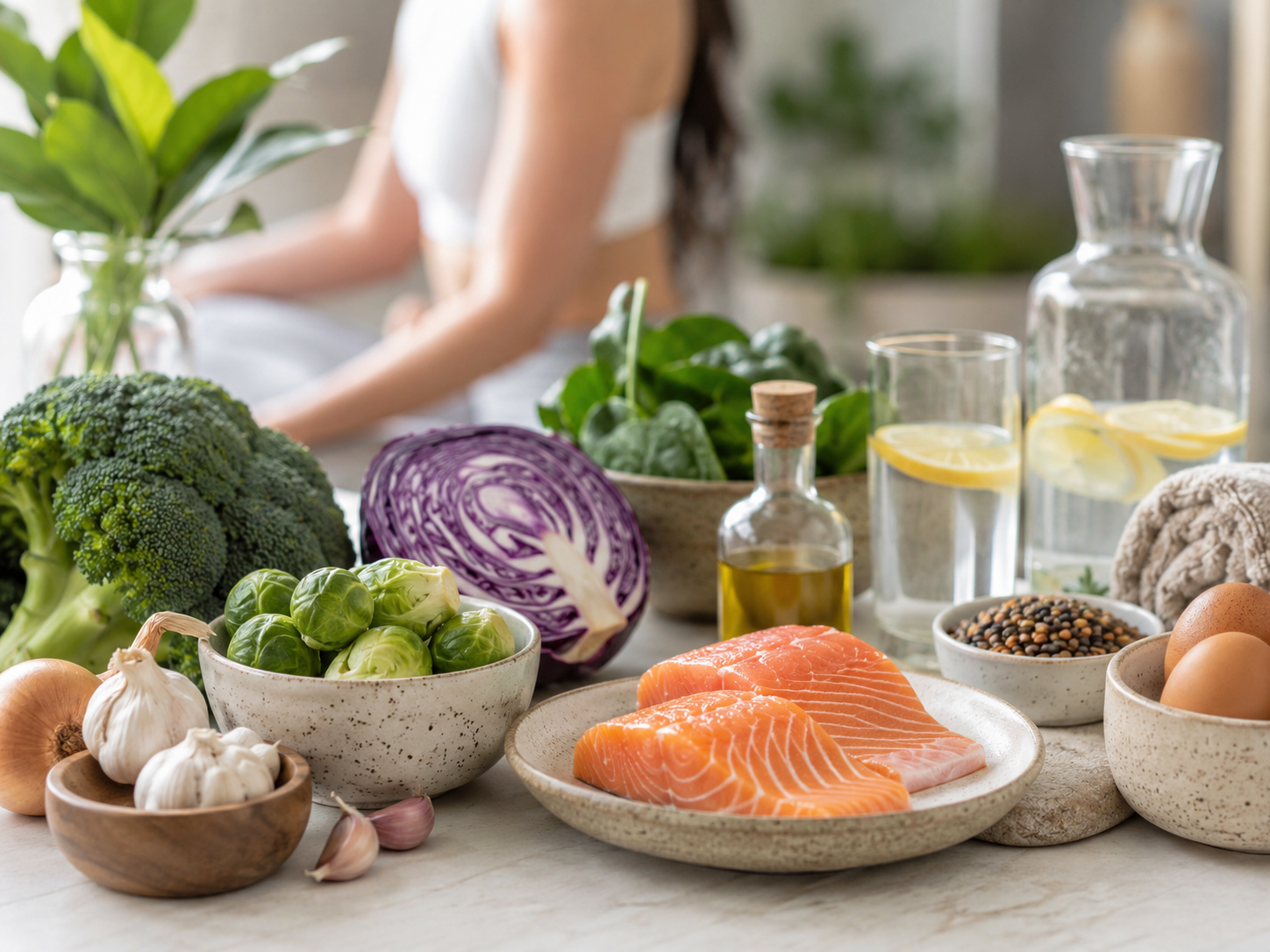
One of the key building blocks of this antioxidant contains sulfur. Sulfur-rich foods can provide compounds your body uses to produce glutathione. Research has explored these foods because of their role in antioxidant support.
These foods may be helpful additions because they provide nutrients your body can use for normal antioxidant processes.
Focus on adding these to your plate:
These foods may help provide building blocks that support natural glutathione production. Think of it like stocking a kitchen with fresh ingredients.
Glutathione is made from amino acids. Your body uses amino acids from protein-containing foods to make glutathione. If your diet is consistently low in protein, your body may have fewer building blocks available.
Good sources include lean meats, fish, eggs, and dairy. You don't need excessive amounts. Consistent, adequate intake is what makes the difference.
Beyond what you eat, daily habits can affect oxidative stress and antioxidant balance. Small shifts may help support your body's natural glutathione production over time.
Sleep supports repair, recovery, and antioxidant balance. Poor sleep over time may increase oxidative stress. Aim for 7 to 9 hours of quality rest each night. If you're doing everything else right but sleeping poorly, it may be harder for your body to recover well.
Ongoing stress can affect cortisol patterns and may increase oxidative stress over time. Practices that support your stress response can be part of a realistic wellness plan. Walking in nature or protecting your downtime can help, as stress management may support overall wellness and recovery.
Moderate exercise may support the body's natural antioxidant systems over time. This doesn't mean extreme, exhausting training sessions. Consistent movement, such as walking, swimming, or light strength training, can be a realistic place to start.
Glutathione support isn't one-size-fits-all. Your health history, medications, allergies, pregnancy or breastfeeding status, and current medical concerns should be reviewed before considering IV vitamin therapy or glutathione support.
If you're dealing with ongoing fatigue, illness, or unexplained symptoms, speak with a healthcare provider.
Taina's nursing background brings a careful, clinical lens to wellness conversations, especially when IV therapy or glutathione support is being considered.
Afterglow does not diagnose low glutathione levels or medical causes of fatigue, but we can discuss wellness support options and encourage medical follow-up when needed.
For many people, daily habits are a helpful starting point. During periods of high stress, aging, recovery, or ongoing fatigue, a professional conversation may help you decide what support is appropriate.
At Afterglow Injection Studio, care starts with education, safety, and a plan that fits your health history and goals. IV Vitamin Therapy or glutathione may be discussed as part of a personalized wellness plan when appropriate for your health history and goals.
These options aren't a replacement for sleep, nutrition, hydration, or medical care. We can review options from our IV injections add-on menu to discuss whether they fit your care plan.
Wellness support should be thoughtful, safe, and personal to you. If you're curious about glutathione or IV Vitamin Therapy, book a complimentary consultation with Afterglow Injection Studio.
We'll talk through your wellness goals, health history, lifestyle, and whether these options may be appropriate for you.
There isn't a single fast track. A helpful approach often combines multiple habits. Eat sulfur-rich foods, sleep well, manage stress, and exercise regularly. If you are curious about additional support, IV Vitamin Therapy may be discussed during consultation when appropriate.
Technically, foods like asparagus, avocado, and spinach contain small amounts. However, dietary glutathione breaks down during digestion. It's much better to eat foods that provide the building blocks. Focus on sulfur-rich vegetables and high-quality proteins instead.
Your body already makes it at home inside your cells. You can't cook it up in a kitchen pot. You can support natural production by eating well and avoiding things that deplete your stores. You are supporting the conditions your body needs for normal glutathione production.
It's gained popularity in parts of Asia for its association with skin brightening. Some research has explored glutathione's possible effect on melanin production, but results vary and it shouldn't be treated as a guaranteed skin-brightening treatment. For skin health, we always recommend a holistic approach prioritizing sun protection, hydration, and professional skincare guidance.
Disclaimer: We love sharing helpful insights on our blog! Please remember, this is for general information only and isn't personal medical advice. For guidance tailored to you, it's always best to chat with a qualified professional before making any treatment decisions. Everyone’s experience and results can vary.

