
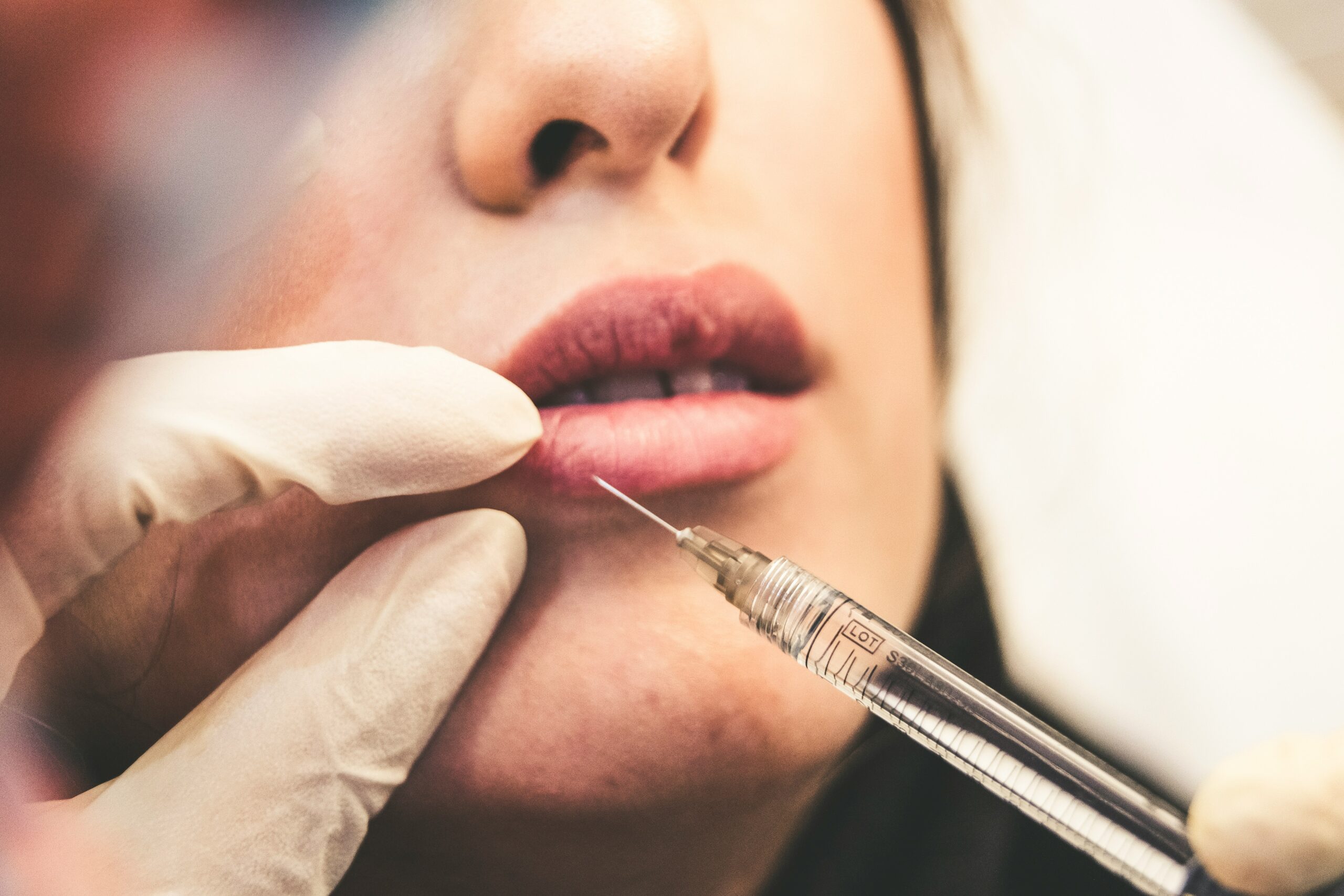
Injectables can do wonders for fine lines, volume loss, and aging skin. But if you're new to aesthetic treatments, you might wonder: Botox or fillers... or both?
We’re here to help you understand the key differences between Botox and dermal fillers so you can make a confident, informed decision.
Let’s break it all down.
Botox is a neuromodulator that temporarily relaxes specific facial muscles. It works by blocking nerve signals to the muscles, which softens the appearance of wrinkles caused by movement (like frowning or squinting).
Botox is best for:
Dermal fillers are injectable gels (often made of hyaluronic acid) that restore lost volume, smooth deep lines, and enhance facial contours. Unlike Botox, fillers don’t affect muscle movement, they work by physically filling in areas beneath the skin.
Dermal fillers are best for:
While both Botox and dermal fillers are injectable treatments that rejuvenate the face without surgery, they work in very different ways and are used to treat different concerns.
Botox is ideal for smoothing out dynamic wrinkles, which are caused by repeated facial expressions like frowning or squinting. It works by relaxing the underlying muscles and is best for areas like the forehead, crow’s feet, and frown lines between the brows.
Results typically begin to appear in 3–7 days, peak at around two weeks, and last about 3 to 4 months.
Dermal fillers, on the other hand, restore lost volume and fill in static lines that are present even when your face is at rest. They’re commonly used to enhance lips, cheeks, jawlines, and to soften deep lines like smile folds.
Fillers offer immediate results and can last anywhere from 6 to 18 months, depending on the type of filler and area treated.
In terms of cost, Botox is generally more affordable per session due to its smaller treatment areas. Fillers tend to cost more upfront but last longer, especially in volume restoration treatments.
Yes! Botox and fillers complement each other beautifully. Botox softens expression lines, while fillers restore volume, creating a smoother, younger-looking appearance without surgery.
This combo is often referred to as a “non-surgical facelift.” It can:
Ask yourself:
Still unsure? Book a consultation and we’ll guide you through every step.
We combine artistry and medical precision to help you look and feel your best. Here’s why clients trust us:
Your journey to feeling refreshed, lifted, and radiant starts with Afterglow.
Is Botox or filler more painful?
Both use very fine needles. Most clients report minimal discomfort. Numbing cream is available for fillers.
How much do Botox and fillers cost?
Botox is typically charged per unit. Fillers are charged per syringe.
Can I get Botox and fillers on the same day?
Yes, many clients do! We’ll create a safe, effective timeline for your treatment plan.
Are the results permanent?
No. Both treatments are temporary and safe when repeated regularly.
What’s better for smile lines—Botox or fillers?
Fillers are generally best for smile lines (nasolabial folds), while Botox works better for lines caused by movement.
Whether you're just starting your aesthetics journey or ready to level up your routine, understanding the differences between Botox and dermal fillers puts you in control.
At Afterglow, we’re here to guide you with transparency, care, and expert advice, so you feel good about every step.
Ready to improve your glow?
Learn more about our Botox services or book your consultation today. Your glow is personal, and we’re here to help it shine.

